In today's digital world, with the increasing volume and speed of information exchange, the need for systems that can accurately and instantly review events and data has become particularly important. For organizations and businesses, validating users and input data is a fundamental need that plays a key role in managing risks and making the right decisions. The DRS project is designed to cover this need by using artificial intelligence algorithms and predefined logical rules to analyze input data and classify it based on specific indicators. In addition to validating users and data, this system provides the ability to identify unusual and suspicious events in real time and helps organizations prevent possible errors and risks. The DRS digital reputation calculation system simultaneously and accurately reviews input data and divides events into "normal", "abnormal" and "suspicious" categories. With its precise and flexible analytical capabilities, the DRS system provides a unique and efficient user experience.
Why Digital Reputation System is useful for users?
The Need for a System to Analyze Events and Data Online
The need for systems that can analyze events and data accurately and in real time is of particular importance.
User Authentication
Verifying the identity and permissions of individuals to access various resources in the system to prevent unauthorized access.
Ability to Identify Unusual and Suspicious Events in Real-time
Monitoring and analyzing data and system activities, which helps organizations prevent errors and potential risks.
Input Data Validation
The accuracy and validity of data entered into the system is checked to prevent the entry of incorrect information.
Review of Digital Reputation System
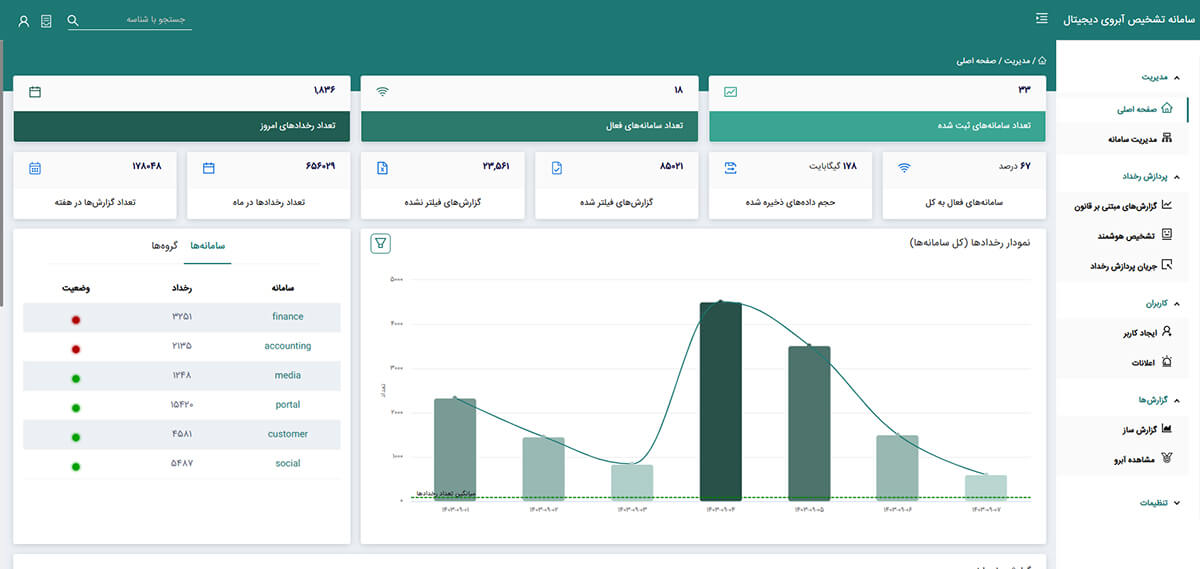
Charts and data visualization tools
Statistical display of information
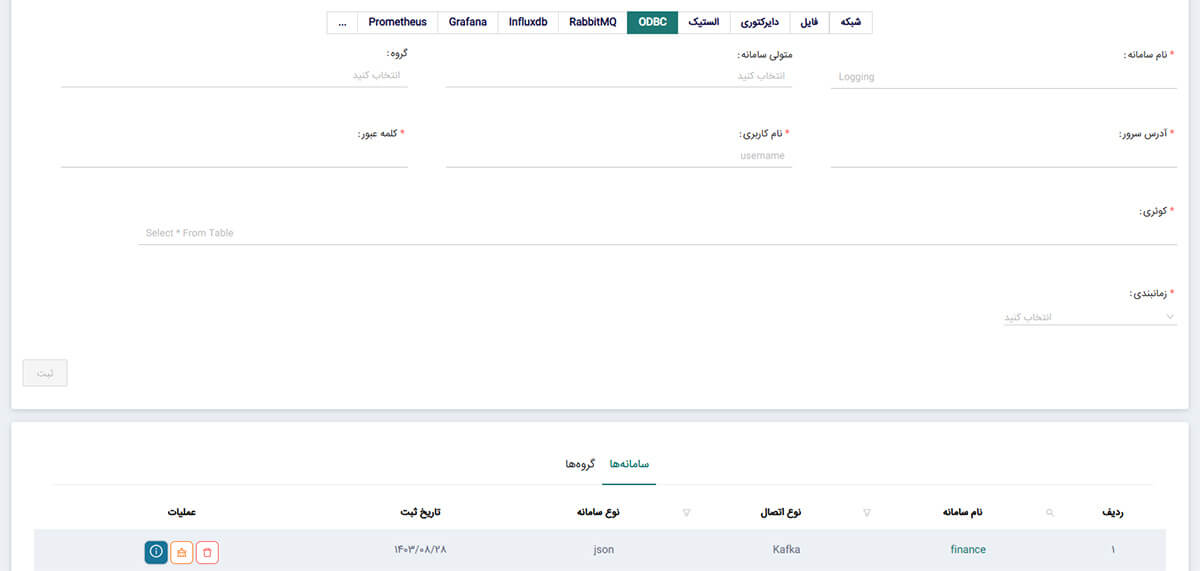
Kafka
File
ODBC
Influxdb
Rule-based profiles
Intelligent algorithms
Workflow creation capability
Show general status
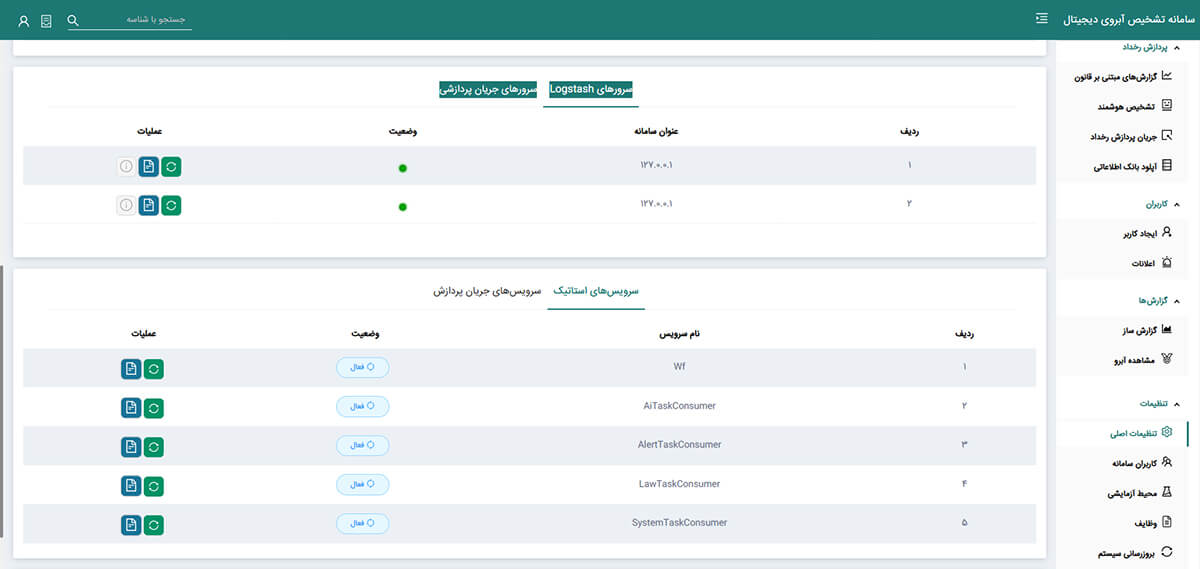
Service categorisation
What are the benefits of Digital Reputation System?
Rule-based Report Creation
In this section, the user can design a Rule on the system he has created. In a general view, a Rule is similar to an advanced search, which is a combination of and and or rules with greater than, less than, unequal, equal, etc. operators. The user can save these rules.
Creating an Intelligent Algorithm
In this section, the user can design two intelligent algorithms on the system he has created. In this feature, the user defines an intelligent algorithm on the keys he has specified. The system also has a backtest environment where the admin user can define intelligent models on the system data and observe their performance.
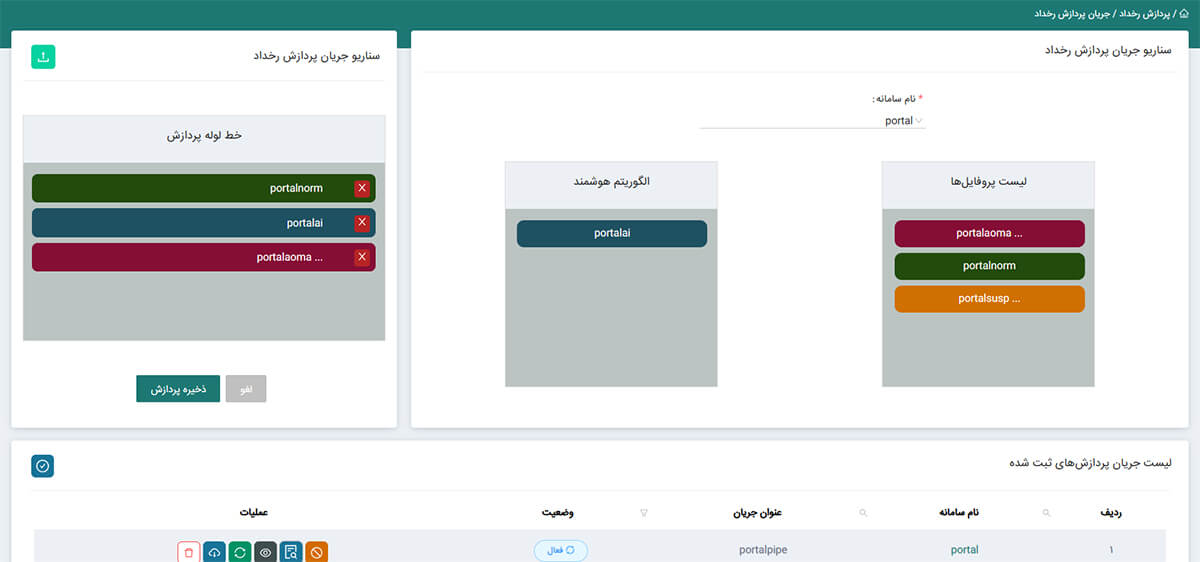
Event Processing Flow
In this section, the user uses the rule-based profiles and intelligent algorithms he has created to create a pipeline (Workflow). The pipeline can be a combination of one or more intelligent algorithms and one or more rule-based profiles.
Intermediate System
If a user's reputation drops below a specified threshold, the user's information is sent to the intermediate address specified at activation. This intermediate address can be an API Gateway.